
Understanding IT Support for Businesses
In today’s digital landscape, the importance of robust IT support is undeniable. For businesses of all sizes, the need to maintain operational efficiency while safeguarding sensitive data has become paramount. IT support for businesses not only resolves technical issues but also enhances productivity through proactive solutions. At Connection Technologies, we specialize in delivering it support for businesses tailored to meet unique organizational needs. This article explores the various facets of IT support, its critical role in business operations, and effective strategies for implementation.
What is IT Support?
IT support encompasses a range of services designed to assist businesses in managing their technology infrastructure. This includes troubleshooting hardware and software issues, maintaining network security, managing cloud services, and ensuring compliance with industry regulations. Depending on the client’s needs, IT support can be provided in-house by dedicated staff or outsourced to specialized providers.
Importance of Proactive IT Support
Proactive IT support is essential for preventing issues before they disrupt business operations. By employing methods such as real-time monitoring and automated alerts, organizations can identify potential problems and address them swiftly, minimizing downtime. This approach not only enhances productivity but also helps in budget management, as unexpected costs associated with system failures are reduced.
Common Challenges in IT Support
Many businesses face challenges in IT support, including inadequate in-house expertise, high costs of maintaining an IT department, and rapid technological changes. Additionally, cybersecurity threats are continually evolving, requiring businesses to stay ahead of potential risks. Recognizing these challenges early allows companies to seek appropriate solutions, whether through outsourcing or investing in staff training.
Types of IT Support Packages Available
The diversity of IT support packages available enables businesses to choose solutions that best fit their operational requirements and budgets. Understanding these offerings is crucial for selecting the right service provider.
Essential IT Support for Small Businesses
Small businesses often require foundational IT support that is both cost-effective and efficient. Essential IT support typically includes helpdesk services, basic device management, and network monitoring. Packages can start as low as £40 per user per month, providing small enterprises with access to expert assistance without the overhead of a full-time IT department.
Professional RMM Support Options
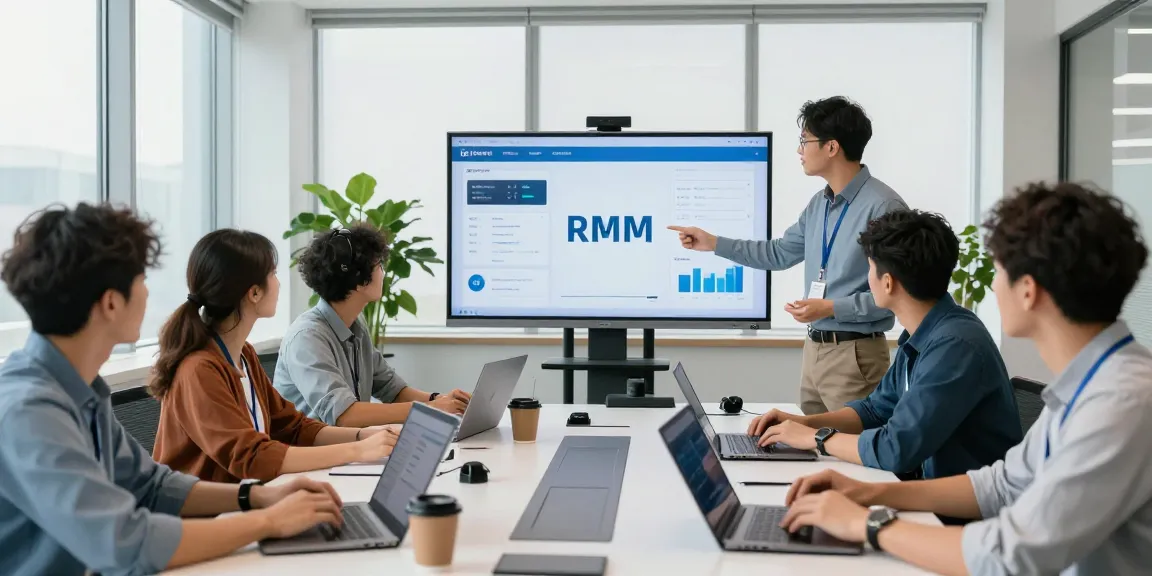
Remote Monitoring and Management (RMM) support takes IT assistance a step further. This proactive service includes continuous monitoring of systems and networks, automated patch management, and real-time threat detection. RMM solutions are particularly beneficial for businesses with multiple endpoints, allowing IT teams to respond rapidly to potential issues and ensuring a secure and well-maintained infrastructure.
Enterprise Managed IT Solutions
For larger organizations or those with complex IT needs, enterprise managed IT solutions provide comprehensive support. These packages are designed to scale with the business as it grows, offering tailored solutions that include dedicated account management, tailored security measures, and extensive reporting capabilities. This level of service ensures that critical systems remain functional and secure while allowing businesses to focus on their core operations.
Implementing RMM Technology in Your Business
Implementing RMM technology can significantly enhance a business’s IT support capabilities. With the right strategy, organizations can leverage this technology to streamline operations and improve service delivery.
How RMM Works for Proactive Monitoring
RMM systems utilize software agents installed on devices within an organization’s network. These agents continuously collect data about system performance, security vulnerabilities, and software updates. By analyzing this data, IT teams can identify and resolve issues before they escalate into significant problems, ensuring that systems operate smoothly and securely.
Benefits of Automated Patch Management
Automated patch management is a critical component of proactive IT support. With regular updates applied automatically, businesses can protect their systems from vulnerabilities and ensure compliance with security policies. This minimizes the risk of cyberattacks and system failures, providing peace of mind for business leaders.
Choosing the Right Implementation Strategy
Selecting the right RMM implementation strategy involves assessing both the current technology environment and future growth plans. Businesses should consider factors such as the number of devices, the complexity of their IT infrastructure, and the specific compliance requirements relevant to their industry. A customized approach to RMM can maximize benefits and align IT capabilities with business goals.
Why Choose Connection Technologies for IT Support?
When looking for IT support, Connection Technologies stands out for its comprehensive services, expert team, and customer-centric approach. We provide solutions that are tailored to the unique needs of each business, ensuring effective support every step of the way.
Expertise of Our UK-Based Team
Our team consists of highly trained professionals with extensive experience across various technologies. By employing a UK-based workforce, we ensure that businesses receive timely assistance from experts who understand the intricacies of the UK market. This local insight allows us to deliver exceptional service and support to our clients.
Transparent Pricing and Service Plans
Connection Technologies prides itself on offering transparent pricing with no hidden fees. Clients can select from a variety of service plans that align with their specific needs, making it easy to budget for IT support. Our packages include a range of essential services, ensuring that businesses only pay for what they need.
Client Testimonials and Success Stories
Our commitment to excellence is reflected in the feedback from our clients. Businesses have reported significant improvements in their IT operations, highlighting our proactive approach and quick response times. These testimonials not only validate our services but also demonstrate the value we provide to our clients.
Future Trends in Business IT Support for 2026
As technology continues to evolve, so does the landscape of IT support. Staying informed about emerging trends is essential for businesses looking to maintain a competitive edge.
Emerging Technologies in IT Support
By 2026, advancements in artificial intelligence and machine learning are expected to revolutionize IT support. These technologies will enable more sophisticated monitoring and predictive analytics, allowing businesses to anticipate potential issues with greater accuracy. For example, AI-driven chatbots will streamline customer support processes, providing instant assistance and freeing up human resources for more complex tasks.
Cybersecurity Enhancements in IT Services
As cyber threats become increasingly sophisticated, IT support services will need to focus on enhanced security measures. Businesses will be expected to adopt multi-layered security protocols and compliance frameworks to protect sensitive data. Cyber Essentials certifications will become increasingly vital, providing businesses with the necessary frameworks to minimize risks and ensure compliance.
Predictions for IT Support Evolution
The future of IT support will likely see an increased reliance on remote and automated solutions. More businesses will adopt co-managed IT strategies, allowing for greater flexibility and scalability as their needs change. Collaborative platforms will become mainstream, facilitating seamless communication between IT support teams and business users.
What Are the Essential Features of IT Support?
Essential features of effective IT support include 24/7 availability, proactive monitoring, comprehensive cybersecurity measures, and robust data management. Businesses should also look for support that integrates seamlessly with existing systems and provides thorough reporting to facilitate decision-making.
How to Choose the Right IT Partner?
Choosing the right IT partner involves assessing their expertise, service offerings, and client feedback. Organizations should prioritize partners that can not only meet their current needs but also scale with their growth and evolving technology landscape.
What Should Small Businesses Expect from IT Support?
Small businesses should expect tailored support that addresses their unique challenges. This includes responsive helpdesk services, proactive monitoring, managed security solutions, and regular updates to software and hardware. Reliable IT support should empower small businesses to focus on their core operations without distractions from technology issues.
Can IT Support Help in Business Expansion?
Effective IT support can play a crucial role in business expansion. By streamlining operations, enhancing scalability, and ensuring data security, organizations can confidently enter new markets. A robust IT infrastructure lays the groundwork for growth, enabling businesses to adapt to changing demands and seize new opportunities.
What Are Cyber Essentials Certifications?
Cyber Essentials certifications are designed to help organizations protect themselves against common cyber threats. Achieving these certifications demonstrates a commitment to cybersecurity and reassures clients that their data is safe. As compliance requirements grow, obtaining these certifications will become increasingly critical for businesses looking to establish trust and credibility in their markets.
Why Invest in IT Support?
Investing in IT support is not just about resolving issues as they arise; it’s about creating a framework for sustainable business growth. The right IT support can enhance efficiency, protect valuable data, and foster innovation within the organization. By prioritizing IT, businesses position themselves for long-term success in an ever-evolving technological landscape.


